
An AI fashion photoshoot can help explore a collection’s mood, styling, and presentation. A useful editorial begins with a point of view and a shot list. It also needs a careful distinction between an expressive campaign image and a faithful record of the garment a customer will receive.
Start with the collection’s idea
Write a brief that names the silhouette, setting, light, and attitude. “Structured winter tailoring in quiet city architecture, warm side light, reserved poses” gives the shoot a direction. Avoid asking one set to feel simultaneously like a minimalist catalog, a flash party, and a cinematic landscape.
Define the purpose: a lookbook introduction, a mood study, a social carousel, or an advertising concept. If the page needs to document exact fit or construction, use verified photographs of the real garment for those details.
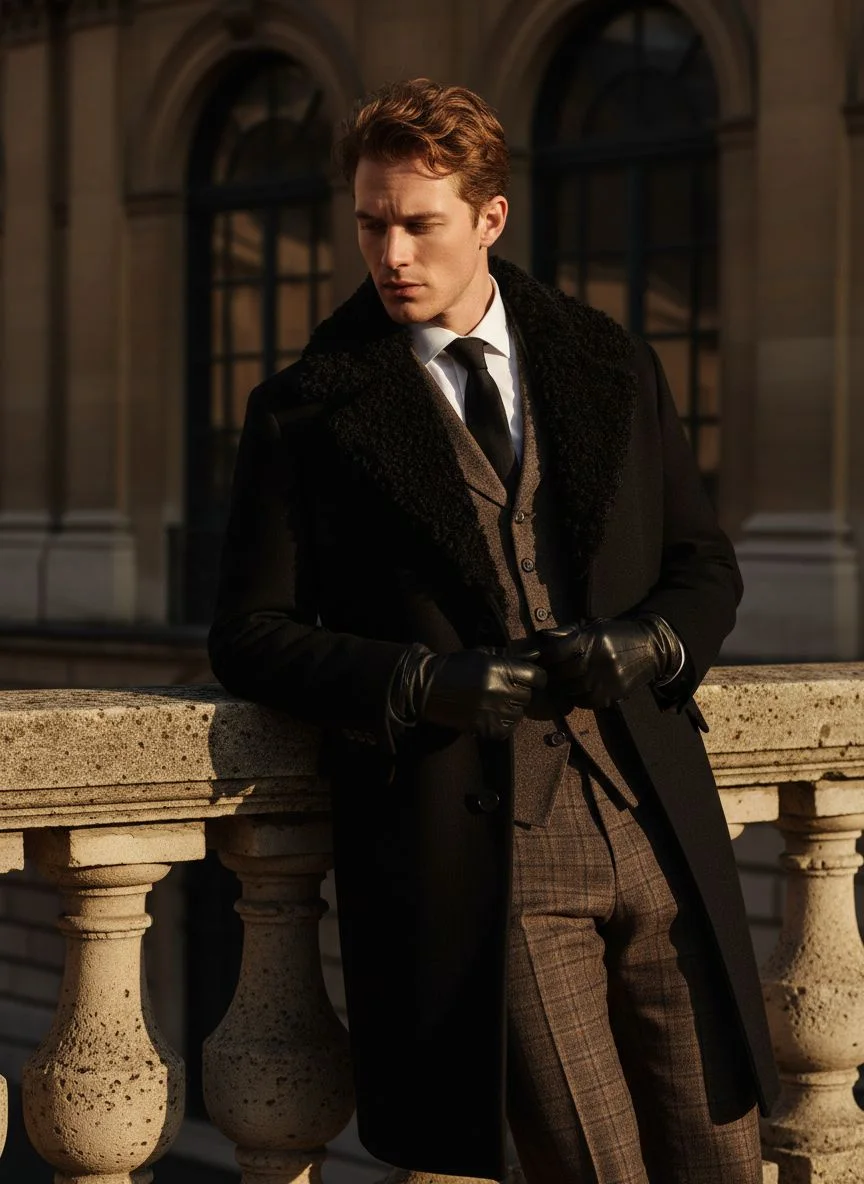
Choose references with clear jobs
Use a saved avatar for the intended model identity, a product reference for the garment or accessory, and extra references for styling or atmosphere. In Adhalla Photoshoot these inputs sit alongside the written brief. Identify the important details: collar shape, closure, length, fabric texture, print placement, or jewelry form.
Ask for the desired styling rather than copying every detail of a reference campaign. Use references you are entitled to use, and avoid implying that a real person or brand endorsed a generated scene.
Plan a sequence with different jobs
- Establish the world: show the model in the environment.
- Read the silhouette: include a full or three-quarter view.
- Show the material: plan a detail of texture, fastening, or accessory.
- Add a human moment: a seated pose, a turn, or a natural gesture.
- Leave space: include a composition that can support a headline or editorial crop.
Not every generated frame will fulfill the planned role. Use the list to identify what is missing before producing more images. A new angle may also reveal invented garment details that were absent from the original reference.
Set the photographic direction
In Photoshoot, choose Fashion Editorial, Streetwear, Sport Fashion, or another appropriate style. Pair it with a deliberate environment and camera look. Analog Film, Flash Photography, and Clean Commercial create different expectations. Keep one primary look while evaluating the set.
Start with Controlled or Balanced variation for a readable lookbook. Bold and Wild are better suited to experiments where unusual crops and angles are welcome. The Photoshoot documentation covers image packs, credits, and expanding a base image.
Review clothing before judging the mood
Compare the generated garment with the reference at full size. Check seams, lapels, pockets, buttons, sleeves, hem, pattern, logo, and color. Inspect body proportions, hands, jewelry, and whether the fabric behaves plausibly around joints. A convincing pose does not make an altered product acceptable.
Then review the sequence as a whole: can the reader understand the collection, and do wide, medium, and detail frames support each other? Use the campaign continuity checklist to separate shared anchors from useful variation.
Finish for the placement
Preview the selected frames in their final crop. Save or download completed images, retain the approved references and brief, and be clear about AI-generated imagery where the context calls for it. Treat an editorial as a considered sequence, rather than a folder of unrelated attractive pictures.